Why Pindah
Enterprise Infrastructure Built for Zimbabwe's Operating Reality
Most organizations in Zimbabwe reach a point where spreadsheets, disconnected systems, and manual processes become a liability. Information sits in silos. Compliance requires dedicated effort. Growth exposes every operational gap.
Pindah was engineered for this inflection point. We provide a single platform where finance, operations, customer relationships, human resources, and industry-specific workflows operate from shared data. Every transaction posts to the general ledger in real time. Every audit trail is immutable. Every report reflects operational reality — not a reconciled approximation.
Our platform serves hospital networks coordinating patient care across departments, schools managing complete student lifecycles, manufacturers tracking production from raw material to finished goods, and logistics operators orchestrating fleet movements across borders. These organizations require systems that match their operational complexity.
- Finance, procurement and operations ERP
- Sales pipeline and customer service CRM
- Patient care and clinical workflows Healthcare
- Student administration and fee management Education
- Production planning and quality control Manufacturing
Key capabilities
- — Multi-entity consolidation
- — Real-time financial reporting
- — Role-based access control
- — Immutable audit trails
- — Offline synchronization
- — ZIMRA fiscal integration
- — API-first architecture
Compliance
ISO 27001 aligned security architecture
Finance
IFRS & ZIMRA fiscal compliance embedded
Currency
Native USD and ZiG multi-currency support
Deployment
Cloud, on-premise, or hybrid infrastructure
Organizations using integrated platforms typically see decision cycles compress from weeks to days because information flows without friction.
Solutions
Enterprise Modules for Every Sector

Enterprise Resource Planning
Centralized finance, procurement, inventory, sales, and project management. Native multi-currency support for Zimbabwe's USD/ZiG environment with IFRS compliance at transaction level.
ERP solutions →
Accounting & Financial Management
General ledger, accounts payable, accounts receivable, fixed assets, and tax management. Automated ZIMRA fiscal device integration and statutory reporting.
Accounting solutions →
Customer Relationship Management
Complete sales pipeline, lead tracking, quotation management, and service desk. Unified customer history across every touchpoint.
CRM solutions →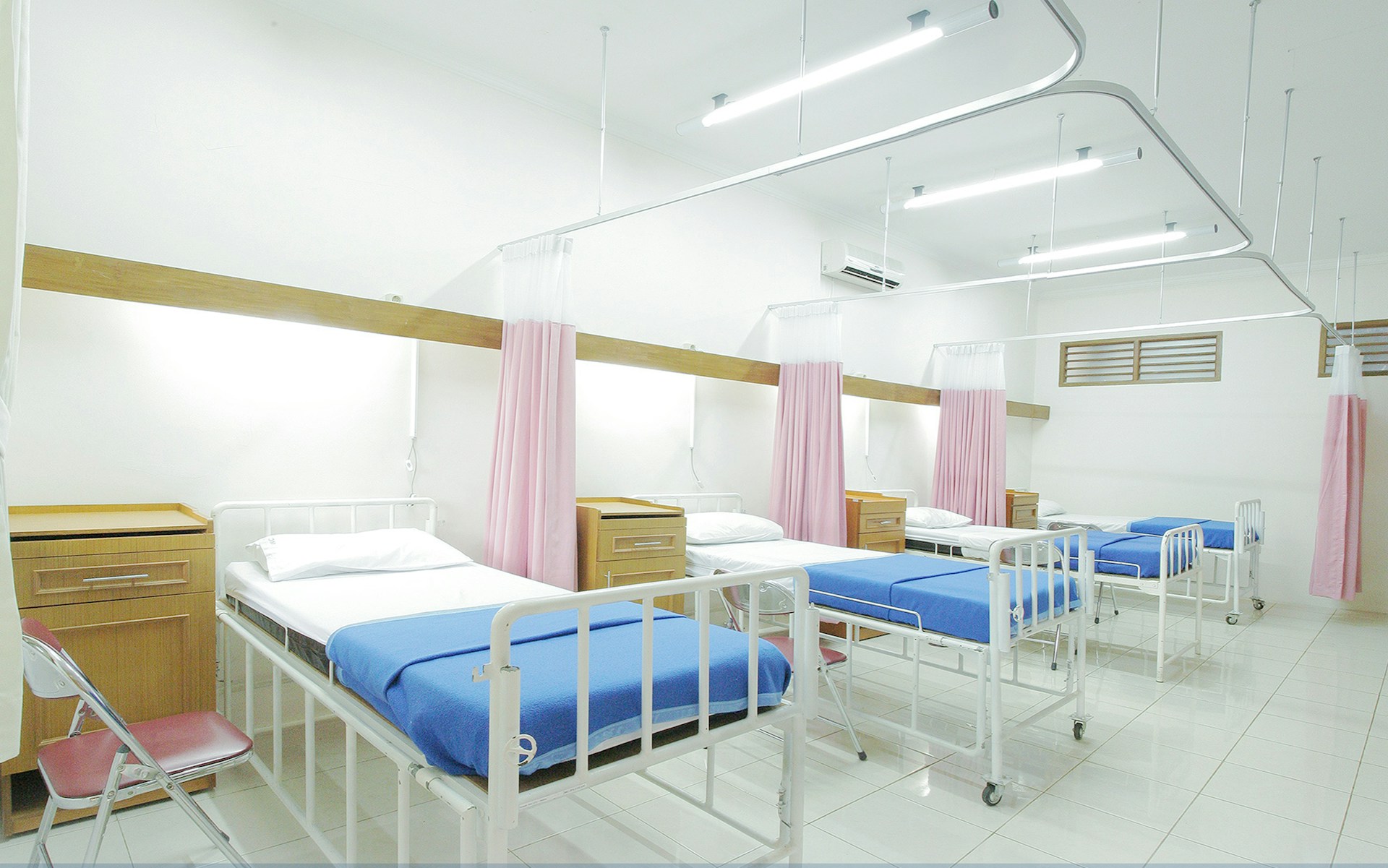
Hospital & Healthcare Management
Patient registration, clinical records, outpatient and inpatient workflows, pharmacy, laboratory, and healthcare billing integrated end-to-end.
Healthcare solutions →
BasaRx — Pharmacy, EHR & Healthcare ERP
Dispensing, pharmacist verification, FEFO stock, refills, medical aid claims, and full electronic health records on one ERP — clinic, counter, and ledger together.
Open BasaRx →
School Management System
Student enrollment, academic records, attendance, fee billing, timetabling, and parent communication. Complete student lifecycle administration.
Education solutions →
Pindah Course
Free Heritage-Based Curriculum lessons for Zimbabwe primary schools — grade courses, stories, practice, and teacher-guide PDFs. A Pindah.org product beside Frame and Basa.
Open Pindah Course →
Manufacturing & Production
Bill of materials, production scheduling, shop floor control, quality management, costing, and maintenance. ISO-aligned manufacturing execution.
Manufacturing solutions →
Logistics & Fleet Management
Route optimization, vehicle tracking, driver management, cross-border documentation, and delivery analytics for transport operators.
Logistics solutions →
Insurance & Broker Management
Policy administration, underwriting, claims processing, premium collection, and broker management for insurance operations.
Insurance solutions →
Construction & Project Control
Project planning, cost control, progress billing, site management, and subcontractor coordination for construction firms.
Construction solutions →Architecture
Design Principles

01
Compliance by design
IFRS, ZIMRA fiscalization, and ISO 27001 requirements are embedded in the platform architecture — not bolted on as afterthoughts. Every transaction, every audit trail, every access control enforces compliance as a byproduct of normal operation.

02
Single source of truth
One unified data layer eliminates reconciliation. When inventory moves, the ledger updates. When a sale closes, AR reflects it immediately. Leadership sees current reality, not last month's approximation.

03
Built for African infrastructure
Offline capability and synchronization are standard. Connectivity constraints are anticipated. Multi-currency environments are native. The platform operates reliably in the conditions where your teams actually work.
Outcomes
What Changes When Systems Integrate
When finance, operations, and industry workflows share a single data layer, the operational experience transforms fundamentally:
- Financial reports generate instantly from live transactional data
- Audit preparation requires minimal effort — documentation is continuous
- Month-end close compresses from weeks to days
- Staff capacity shifts from data reconciliation to value-adding analysis
- Customer response times improve as information becomes immediately available
- Compliance costs stabilize as regulatory requirements become operational byproducts

Integration points
General Ledger
All modules post automatically
Inventory
Real-time stock valuation
Procurement
Budget-controlled purchasing
HR & Payroll
Workforce cost allocation
CRM
Quote-to-cash automation
Reporting
Consolidated IFRS statements
Industries served
Enterprise Software for Zimbabwe's Key Sectors
We serve organizations across Zimbabwe and Southern Africa operating in regulated, complex, and high-volume environments where system reliability is non-negotiable.
Mining & Resources
Asset management, procurement, fleet tracking, and financial consolidation for mining operations requiring strict compliance and multi-site visibility.
Healthcare & Hospitals
Clinical workflow management, patient records, pharmacy, laboratory, and billing for hospitals, clinics, and healthcare networks across Zimbabwe.
Education & Schools
Complete school administration from enrollment through graduation. Fee management, academic tracking, and parent communication for primary and secondary schools.

Manufacturing
Production planning, shop floor control, quality management, and costing for FMCG, food processing, chemicals, and industrial manufacturers.
Transport & Logistics
Fleet management, route optimization, cross-border documentation, and delivery tracking for haulage and distribution companies.
Financial Services
Insurance administration, broker management, premium collection, claims processing, and underwriting for insurance and microfinance companies.
Engagement
How We Work

We do not deliver software and withdraw. Every engagement follows a structured process that combines our enterprise architecture expertise with your operational domain knowledge.
- Discovery — We study your operations, processes, and pain points
- Architecture — We design a solution fitted to your requirements
- Implementation — Phased rollout with training and data migration
- Optimization — Ongoing support, tuning, and capability expansion
Who we serve
Client Profile

Our most successful engagements involve organizations at operational inflection points. They have grown beyond the tools that enabled their early development.
Manual processes that were once manageable have become bottlenecks. Information fragmentation that was tolerable has become dangerous. They require infrastructure that supports continued growth rather than constraining it.
These organizations typically operate across multiple locations, face regulatory requirements as a normal condition of business, and recognize that operational infrastructure is either a competitive advantage or a competitive liability.
Popular in Zimbabwe
Software solutions Zimbabwe businesses search for
Pindah builds and implements enterprise systems for Harare and organizations nationwide — explore dedicated pages for the software categories Zimbabwean buyers search for most.
Insights
Enterprise Software News & Insights
Real-world case studies, implementation insights, and ROI metrics for ERP, CRM, Manufacturing, Insurance, and digital transformation in Zimbabwe.

Zimbabwe's Nifedipine Recall - Tracking Expiry Dates and Batch Numbers
September 14, 2026 · admin@pindah.org
On 12 September 2026, Zimbabwe's Ministry of Health and Child Care (MoHCC) confirmed the recall of two specific batches—112033 and 117367—of Nifedipin...
Read MoreHow Leading Enterprises Achieve 30%+ ROI Using Integrated ERP (Finance, Inventory, Procurement), CRM, Manufacturing, SCM, HR, Logistics, Hospital Management, DMS, Insurance, Accounting & Construction – Real‑World Case Studies, Implementation Lessons & Industry Trends
September 14, 2026 · admin@pindah.org
Why Integrated Enterprise Suites Deliver 30%+ ROI When CEOs ask “what’s the next big efficiency boost?” the answer is no longer a single module but a ...
Read MoreGet started
Ready to Modernize Your Operations?
If your organization has reached the point where operational infrastructure requires reinvestment, we welcome the conversation. Initial discussions focus on understanding your challenges and determining whether our capabilities align with your requirements.
No obligation. No generic presentations. We learn about your operations, you learn about our approach, and we determine next steps together.