

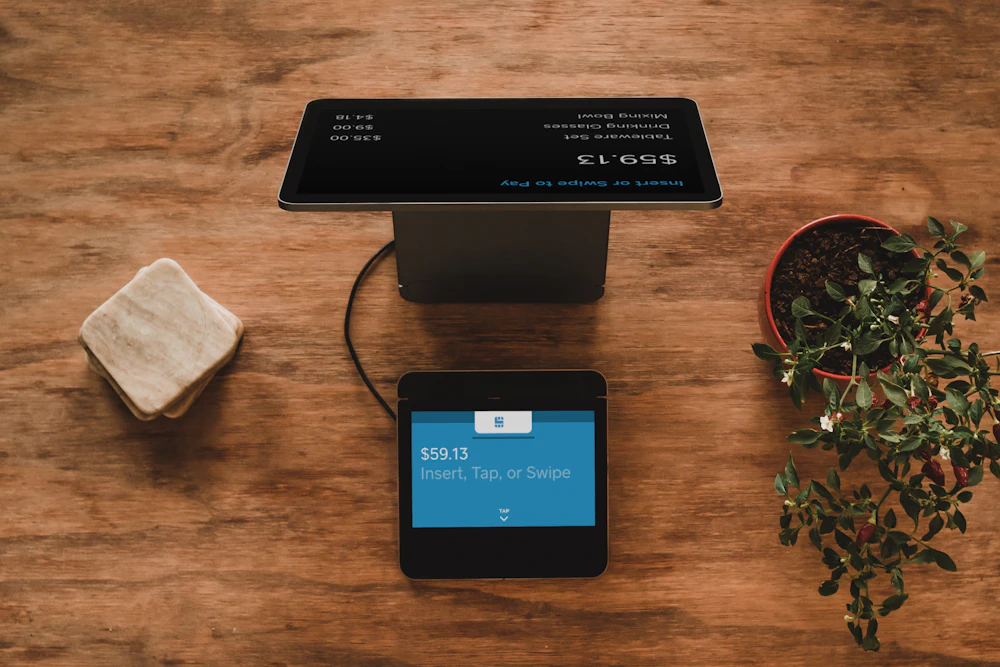
In the modern retail landscape, the point of sale (POS) is no longer just the place where money changes hands. It has evolved into the "nerve center" of business operations. For forward-thinking enterprise leaders, the POS system represents the frontline of data collection, a critical component of customer experience, and a vital bridge to the back-office functions of an Enterprise Resource Planning (ERP) solution.
Gone are the days of standalone cash registers and manual end-of-day reconciliations. Today’s retail environment demands a unified approach where every transaction informs inventory levels, updates financial forecasts, and shapes marketing strategies in real-time.
From Transactional to Transformational
Retailers who view their POS purely as a tool for processing payments are missing the bigger picture. Modern enterprise operations management systems treat the POS as an integrated node within a larger ecosystem. This integration allows for a "single source of truth," ensuring that what happens at the storefront is immediately reflected in the warehouse and the boardroom.
The Power of ERP Integration
When a POS system is deeply integrated with an ERP, the benefits are exponential:
- Automated Inventory Management: Sales instantly trigger inventory updates. If a customer buys the last unit of a high-demand item, the procurement module can automatically generate a purchase order based on pre-set thresholds.
- Financial Accuracy: Real-time data sync eliminates manual entry errors, ensuring that balance sheets and P&L statements are always accurate and up to date.
- Unified Commerce: Whether a customer buys online and picks up in-store (BOPIS) or returns an online purchase at a physical location, a centralized system tracks the journey seamlessly.
Data-Driven Decision Making
The modern POS is a goldmine for business intelligence. By leveraging the reporting capabilities of advanced business software, retailers can analyze:
- Peak Performance Times: Optimizing staff schedules based on historical traffic data.
- Basket Analysis: Understanding which products are frequently bought together to improve floor layout and cross-selling.
- Customer Lifetime Value (CLV): Linking transactions to specific customer profiles to personalize loyalty rewards.
According to research by Deloitte on Digital Retail, retailers who leverage integrated data analytics see significantly higher margins compared to those operating with siloed systems.
Best Practices for Implementing Modern Retail Software
Transitioning to a robust enterprise-grade POS system requires more than just buying software; it requires a strategic overhaul of operations.
1. Prioritize Scalability
Your software should grow with you. Whether you are opening a second location or expanding into international markets, your system must handle increased volume and complex tax regulations without requiring a total replacement.
2. Focus on the User Experience (UX)
The best system in the world is useless if your staff finds it difficult to navigate. A clean, intuitive interface reduces training time and minimizes errors during high-pressure sales periods.
3. Ensure Robust Security
With the rise of data breaches, security is non-negotiable. Modern systems must be compliant with PCI-DSS standards and utilize end-to-end encryption. Protecting customer data is not just a legal requirement; it is foundational to brand trust.
Real-World Application: The Agility of Cloud-Based Solutions
Consider a mid-sized clothing retailer managing five locations. Without an integrated system, they might find themselves overstocked in one branch while facing stockouts in another. By implementing a cloud-based operations management system, the manager can view stock levels across all branches from a smartphone, reallocate inventory instantly, and offer customers the option to ship an item from another store directly to their home.
For more insights on how digital transformation is reshaping the industry, explore McKinsey’s Retail Technology Insights.
The Path Forward
The convergence of retail operations and sophisticated software is inevitable. As AI and machine learning continue to advance, we can expect POS systems to move into predictive analytics—telling you what a customer wants before they even walk through the door.
Investing in a high-quality, integrated system is not an expense; it is a strategic investment in the longevity and agility of your business. It allows you to move away from "firefighting" daily operational glitches and toward proactive, strategic growth.
Transform Your Operations Today
Is your business ready to move beyond basic transactions? At Basa, we provide cutting-edge solutions designed to bridge the gap between retail operations and enterprise-level management. Our systems are built to give you the visibility, control, and data you need to thrive in a competitive market.
Experience the future of retail management.
Check out our system at https://basa.pindah.org or https://basa.pindah.co.zw.
For a personalized consultation, contact us at +263714856897 or email us at admin@pindah.org. Let us help you build a smarter, more efficient business.