

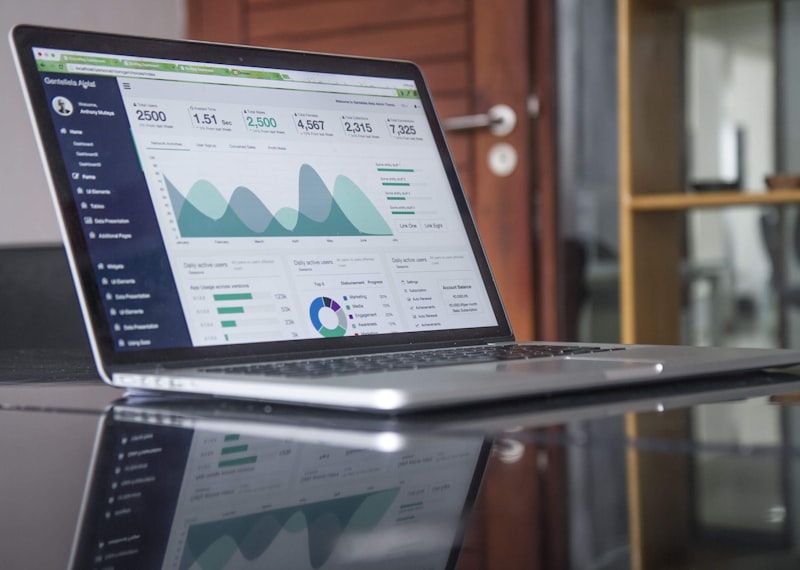
In an era where data drives every executive decision, understanding the synergy between human capital and financial systems is the key to unlocking true operational excellence, as illustrated in this overview of For decades, Human Resources (HR) and Payroll were treated as separate, administrative silos—necessary but often disconnected from the broader strategic goals of the enterprise. However, the rise of Enterprise Operations Management Systems has shifted this paradigm. Today, managing people and their compensation is no longer just about compliance; it is about leveraging modern business software to build a more resilient and agile organization.
The Convergence of HR and ERP Solutions
Traditional business models often relied on fragmented tools: one spreadsheet for attendance, a standalone software for payroll, and perhaps a physical filing cabinet for employee contracts. This fragmentation leads to "data friction," where information takes too long to travel between departments, resulting in errors and missed opportunities.
Modern ERP (Enterprise Resource Planning) solutions solve this by creating a "single source of truth." When your HR module communicates directly with your accounting and project management modules, the benefits are immediate:
- Unified Data: When an employee is promoted, their new salary grade automatically updates in the payroll system and reflects in the company’s department budget.
- Real-Time Reporting: Leaders can view labor costs in relation to project profitability instantly, rather than waiting for end-of-month reconciliations.
- Enhanced Security: Centralizing sensitive employee data within a robust ERP framework ensures better encryption and access control than scattered local files.

Payroll: More Than Just a Monthly Transaction
Payroll is frequently the largest expense for any business. Beyond the simple act of transferring funds, modern payroll management involves navigating complex tax landscapes, benefit distributions, and regulatory compliance.
Automated payroll systems within an ERP environment eliminate the manual entry errors that plague small to medium enterprises. By integrating time-tracking software directly into the payroll engine, businesses can ensure that overtime, sick leave, and bonuses are calculated with mathematical precision. This transparency builds trust—the most valuable currency in any workplace.
For further reading on financial accuracy, see our related guide on The Evolution of Digital Accounting Systems.
Strategic Human Resources Management (SHRM)
Modern business software has elevated the role of the HR manager. With the administrative burden of data entry removed by automation, HR professionals can focus on Strategic Human Resources Management. This includes:
1. Talent Acquisition and Onboarding: Using software to track applicants and automate the document-heavy onboarding process ensures new hires feel welcomed and productive from day one.
2. Performance Analytics: Modern systems track Key Performance Indicators (KPIs) over time, allowing for objective performance reviews based on data rather than just intuition.
3. Employee Self-Service (ESS): Giving employees the power to view their own payslips, request leave, and update personal information through a portal reduces the HR department's workload by up to 40%.
Best Practices for Implementation
Transitioning to a modern HR and Payroll system requires more than just buying software; it requires a cultural shift. Here are three best practices:
- Prioritize Integration: Ensure your HR software talks to your bank, your tax authority’s portal, and your internal accounting software.
- Invest in Training: A system is only as good as the people using it. Comprehensive training sessions for both staff and management are non-negotiable.
- Data Hygiene: Before migrating to a new ERP, "clean" your data. Remove duplicates and correct outdated information to ensure your new system starts with high-quality intelligence.
Real-World Application: Scaling with Confidence
Consider a growing logistics firm that expanded from 50 to 200 employees in eighteen months. Using manual systems, their payroll took five days to process, and errors were rampant. By implementing a modern Enterprise Operations Management System, they reduced payroll processing time to four hours. More importantly, they gained insights into "labor leakage"—identifying specific shifts where overtime was being abused—saving the company thousands of dollars annually.
For more insights into optimizing your operations, check out our post on Scaling Operations in the Digital Age.
Conclusion
The integration of HR and payroll into the broader enterprise ecosystem is no longer a luxury for the elite; it is a necessity for any business looking to remain competitive. By embracing modern ERP solutions, you transform your HR department from a cost center into a strategic engine that drives growth, ensures compliance, and fosters a high-performance culture.
Ready to Transform Your Business?
Is your organization ready to move beyond spreadsheets and legacy systems? Our team specializes in deploying world-class Enterprise Operations Management Systems tailored to your unique needs. Whether you are looking to streamline your payroll, automate HR workflows, or gain deeper insights into your workforce, we are here to help.
Explore our system today:
- Visit us at: https://basa.pindah.org or https://basa.pindah.co.zw
- Contact our consultants: +263714856897
- Email us: admin@pindah.org
Let's build the future of your business, together.