

If you’ve ever stood on a factory floor while a customer is screaming for their order, only to realize you’re missing one tiny, five-cent screw that’s holding up a million-dollar shipment, you know the "Manufacturing Headache." It’s that special kind of stress where spreadsheets fail, whiteboards get erased, and "I thought we had that in stock" becomes the most expensive sentence in your vocabulary.
Manufacturing operations shouldn't feel like a high-stakes game of Tetris played in the dark. Whether you’re assembling complex electronics or boutique furniture, the goal is the same: transforming raw materials into value with as little friction as possible. Today, we’re diving into how the Pindah Manufacturing Module turns that chaotic floor into a synchronized symphony.
The Secret Sauce: It All Starts with the Recipe (BOM)
In the world of Pindah, every great product starts with a clear plan. We call this the Bill of Materials (BOM), but you can think of it as your master recipe.
Within the Manufacturing Module, your products aren't just "items"—they are living entities connected to your Stock Management Module. When you trigger a work order, the system doesn't just hope the parts are there; it looks at your Stock levels across all Locations. If you’re low on a specific component, the Procurement Module can kick in to handle supplier quotations before you even realize there's a gap.

Choreographing the Floor: Product Stages
Manufacturing isn't a "poof, it’s done" process. It happens in phases. Pindah’s ProductStage functionality allows you to map out the exact journey your product takes.
1. Preparation: Gathering raw materials.
2. Assembly: The heavy lifting.
3. Finishing: Adding that final polish.
4. Quality Control: The final gatekeeper.
By tracking these stages, managers can see exactly where a bottleneck is forming. Is the assembly line stalled? Is the finishing department overwhelmed? Instead of walking the floor with a clipboard, you have a real-time digital twin of your production line.
Resource Allocation: The Human Element
A machine without an operator is just a very expensive paperweight. This is where Pindah’s unified nature shines. Because the Manufacturing Module is integrated with HR & Payroll, you can handle ResourceAllocation with precision.
You can assign specific employees to specific production stages based on their skills and availability. This isn't just about "who is working"; it's about optimizing your labor costs and ensuring that your most skilled craftsmen are exactly where they need to be. When the job is done, the system can even help track Attendance and Payroll data linked to production hours, making your cost-per-unit calculations more accurate than ever.
Quality Control: The "Oops" Filter
Nothing kills a brand faster than a defective product. Integrated quality assurance is often the missing link in small-to-medium manufacturing setups. In Pindah, the Quality Module isn't a separate silo; it’s baked into the workflow.
If an Issue is spotted at the finishing stage, it can be logged immediately. Whether it's a Non-conformance report or a simple IssueComment for the team to review, the system ensures that the problem is tracked, categorized by IssueSource, and resolved before the product hits the StockReceipt and moves to the warehouse.
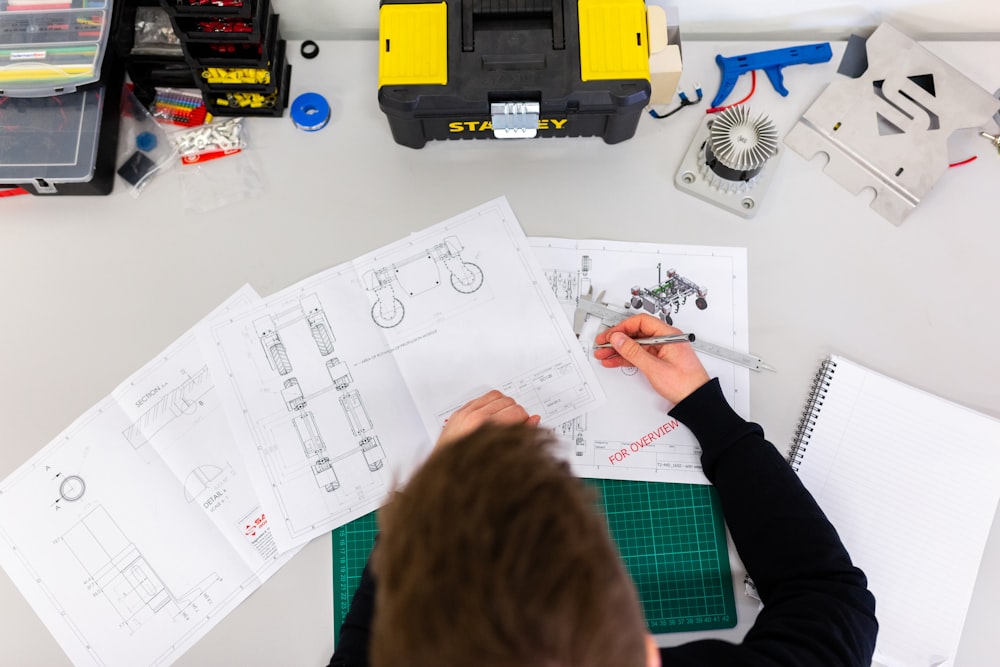
The Big Picture: From Sales to Accounting
The true magic of an integrated system like Pindah is that manufacturing doesn't happen in a vacuum.
- Sales Integration: When a salesperson closes a deal in the Sales & POS Module, a production demand can be generated automatically.
- Accounting Clarity: As raw materials are consumed (
StockTransaction), the Accounting Module automatically updates your inventory valuation and COGS (Cost of Goods Sold). No more end-of-month surprises. - Project Management: For custom builds, the Project Management Module allows you to treat a manufacturing run as a project, with Kanban boards (
ProjectBoard) and task tracking (Todo) to keep everyone on the same page.
Best Practices for a Leaner Factory
To get the most out of your manufacturing operations, consider these three "Pindah-Pro" tips:
1. Set Reorder Levels: Use the Stock alerts to ensure you never run out of critical raw materials.
2. Audit Your Stages: Regularly review your ProductStage timings. If one stage always takes longer than planned, it's time to investigate.
3. Empower the Floor: Give your team access to the system (with granular permissions, of course!) so they can update statuses in real-time. Data is only as good as its freshness.
Conclusion: Ready to Level Up?
Manufacturing is hard, but your software shouldn't be. By unifying your inventory, human resources, and production stages into one cohesive "Source of Truth," you stop fighting your data and start growing your business.
Whether you are looking to streamline a single production line or manage a multi-location enterprise, Pindah's multi-tenant architecture ensures your data is secure, isolated, and accessible whenever you need it.
Ready to transform your production floor?
Explore how the Pindah Operations Management System can revolutionize your business today. Visit us at https://basa.pindah.org or https://basa.pindah.co.zw to see the system in action.
For a personalized demo or to chat about your specific manufacturing needs, reach out to our team:
- Phone: +263714856897
- Email: admin@pindah.org
Let's build something great together.