

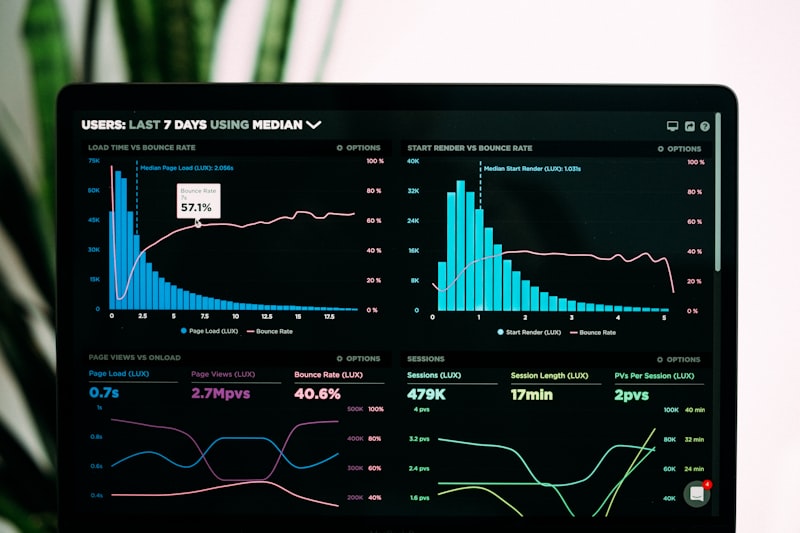
In an era where information velocity defines competitive advantage, implementing a robust framework for organizational knowledge is essential, and you can visualize the transformation of your workspace with this integrated asset management overview. For the modern enterprise, a Library Management System (LMS) is no longer just a tool for cataloging dusty volumes; it has evolved into a sophisticated branch of Enterprise Operations Management. By treating intellectual property, physical equipment, and digital assets with the same rigor as financial capital, businesses can unlock unprecedented levels of efficiency and internal transparency.
The Convergence of LMS and ERP Solutions
Modern business software has moved away from siloed applications toward integrated ecosystems. Much like an Enterprise Resource Planning (ERP) solution manages the flow of data across finance, HR, and supply chains, a contemporary Library Management System serves as the central nervous system for an organization's shared resources.
When we look at resource tracking through the lens of enterprise operations, we see that the challenges of a corporate library—tracking specialized equipment, managing digital subscriptions, and archiving proprietary research—mirror the logistical challenges of a warehouse. By adopting ERP-inspired logic, modern LMS platforms offer:
- Real-time Inventory Visibility: Knowing exactly who has what resource and when it is due back.
- Audit Trails: Maintaining a history of usage for compliance and budget justification.
- Automated Workflows: Reducing manual entry through barcode scanning and RFID integration.

Strategic Value: Why Resource Tracking Matters
In many organizations, "hidden" costs stem from the loss of physical assets or the redundant purchase of digital licenses. A professional-grade tracking system mitigates these risks by providing a single source of truth.
1. Cost Optimization and ROI
Every lost laptop or duplicate software license is a hit to the bottom line. By utilizing advanced resource tracking, managers can analyze usage patterns. If a particular resource is rarely used, the subscription can be canceled; if it is constantly in demand, more units can be acquired to prevent employee downtime.
2. Knowledge Management as a Competitive Edge
A library system is fundamentally about Knowledge Management (KM). For consulting firms, law offices, or engineering corps, the "library" is a repository of past projects, blueprints, and legal precedents. Making these easily searchable via a metadata-rich LMS ensures that the organization does not "re-invent the wheel" with every new contract.
3. Compliance and Security
In regulated industries, tracking who has accessed sensitive technical manuals or proprietary research is a legal necessity. Modern systems provide granular permission levels, ensuring that only authorized personnel can check out specific high-value or confidential items.
Best Practices for Implementing an LMS in a Business Environment
Transitioning to a digital resource management framework requires more than just software; it requires a shift in operational culture. Here are several best practices derived from leading enterprise operations research:
1. Prioritize Mobile Accessibility: Employees should be able to search the catalog and reserve resources from their smartphones. This increases adoption rates across the workforce.
2. Integrate with Existing Identity Providers: Use Single Sign-On (SSO) to connect your LMS with your existing corporate directory (like Azure AD or Okta).
3. Leverage Data Analytics: Use the reporting dashboard to identify "dead" assets and high-traffic resources to inform future procurement strategies.
4. Maintain Data Hygiene: Ensure that every item entered into the system follows a standardized naming convention to make the search function effective.
Real-World Application: Beyond Books
While the name suggests a focus on literature, businesses are using LMS platforms for diverse applications:
- IT Asset Management: Tracking laptops, tablets, and specialized testing equipment.
- Marketing Repositories: Managing physical trade show booths, banners, and promotional materials.
- Legal and Compliance: Archiving physical contracts and original deeds in a searchable database.
- Training and Development: Managing a fleet of VR headsets or specialized training manuals for employee onboarding.
For more insights into how digital transformation is reshaping organizational structures, you may find our related guide on Modernizing Enterprise Workflows and The Future of Digital Archiving particularly useful.
Moving Toward a Unified Resource Future
The bridge between traditional cataloging and modern business intelligence is shorter than most executives realize. By viewing your company’s resources through the disciplined framework of a Library Management System, you treat your assets with the value they deserve. This is not just about organization; it is about building a scalable foundation for growth, where every tool, document, and device is accounted for and optimized.
Take Control of Your Organizational Resources Today
Are you ready to streamline your enterprise operations and bring world-class tracking to your organization? Our team specializes in providing bespoke solutions that bridge the gap between traditional management and modern efficiency.
Discover how our system can transform your business:
- Visit us at: https://basa.pindah.org or https://basa.pindah.co.zw
- Talk to an expert: +263714856897
- Email us: admin@pindah.org
Let us help you turn your inventory into a strategic asset.