
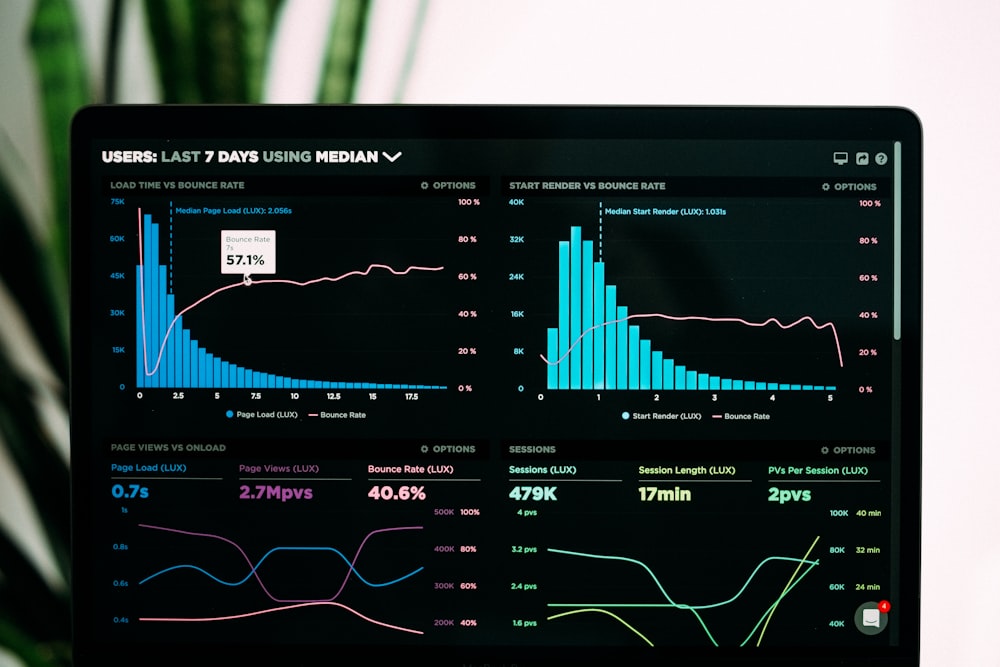
In the fast-paced world of modern software delivery, this post--url {https://images.unsplash.com/photo-1551288049-bebda4e38f71?q=80&w=1000&auto=format&fit=crop} captures the underlying complexity of how data powers the digital economy through multi-tenant architectures. For executives and operational leaders, understanding the foundation of how your software handles data isn't just a technical necessity—it is a strategic imperative. Whether you are building a proprietary Enterprise Resource Planning (ERP) solution or deploying a niche Operations Management system, the way you structure your database determines your ability to scale, your security posture, and your long-term profit margins.
The Multi-Tenancy Concept: Efficiency vs. Isolation
At its core, multi-tenancy refers to a software architecture where a single instance of an application serves multiple customers (tenants). Imagine a modern office building: the infrastructure (plumbing, electricity, elevators) is shared, but each company has its own secure, private office.
In the realm of database design, the stakes are higher. A leak in "data plumbing" doesn't just result in a wet floor; it results in a catastrophic breach of trust and potentially massive legal liabilities.
The Three Pillars of Multi-Tenant Data
When designing enterprise-grade systems, architects generally choose between three primary models:
1. The Silo Model (Database-per-Tenant): Each customer gets their own physical database. This offers the highest level of isolation and is often preferred by government or highly regulated financial institutions.
2. The Bridge Model (Schema-per-Tenant): Tenants share a database but have separate "schemas" (logical containers). It strikes a balance between isolation and resource sharing.
3. The Pool Model (Shared Schema): All tenants share the same tables. Data is distinguished by a TenantID column. This is the gold standard for high-scale SaaS (Software as a Service) due to its extreme cost-efficiency and ease of maintenance.

Why Business Leaders Should Care About Database Strategy
You might ask, "Why should a COO or a Business Manager care about schemas?" The answer lies in Operational Management.
1. Cost of Goods Sold (COGS)
In a shared schema (Pool) model, you can host thousands of small clients on a single server, dramatically lowering your infrastructure costs. Conversely, the Silo model requires significantly more "overhead" hardware, which can eat into your margins if not priced correctly.
2. Agility and Updates
If your ERP system uses a Silo model and you have 500 customers, every time you want to roll out a new feature, you have to update 500 separate databases. In a shared model, you update once, and everyone benefits instantly. This is the secret behind the rapid evolution of platforms like Salesforce or Workday.
3. Security and Compliance
Data residency is a growing concern. Some international laws require that data for citizens of a specific country stay within that country's borders. A well-designed multi-tenant system allows you to "pin" certain tenants to specific geographic regions without rewriting your entire application.
Best Practices for Enterprise Systems
To build a resilient system that supports growth, consider these industry-standard practices:
- Row-Level Security (RLS): Modern databases like PostgreSQL offer RLS, which acts as a "safety net" to ensure that even if a developer makes a mistake in the code, one tenant can never see another tenant’s data.
- Tenant Lifecycle Management: Automate the "onboarding" and "offboarding" of tenants. When a new business signs up for your ERP, the database provisioning should happen in seconds, not hours.
- Performance Monitoring: In a shared environment, one "noisy neighbor" (a tenant running massive, unoptimized reports) can slow down the system for everyone else. Implementing "throttling" or "resource quotas" is essential.
For further technical reading on these strategies, the Microsoft Azure Architecture Center provides an excellent deep dive into storage models for multi-tenancy.
Real-World Application: The Modern ERP
Consider a manufacturing firm using an integrated operations management system. They need real-time inventory tracking, payroll, and CRM capabilities. If their software provider uses a robust multi-tenant design, that manufacturer benefits from "economies of intelligence"—where the software improves for everyone as the provider learns from the aggregate (but anonymized) patterns of all users.
Conclusion: Building for the Future
Database design is the silent engine of your business software. Choosing the right multi-tenant strategy allows you to balance the competing needs of security, cost, and performance. As you evaluate your next enterprise solution or plan your next software product, look beyond the user interface and ask: "How is our data partitioned for the future?"
The right choice today prevents the technical debt of tomorrow, ensuring your business remains agile in an ever-changing digital marketplace.
Ready to elevate your business operations?
At Pindah, we specialize in high-performance enterprise solutions tailored for the modern landscape. Whether you are looking for a robust ERP or a custom operations management system built on world-class architecture, we are here to help.
Explore our systems at:
Get in touch with our expert team today:
- Call/WhatsApp: +263714856897
- Email: admin@pindah.org
Let’s build the future of your enterprise together.